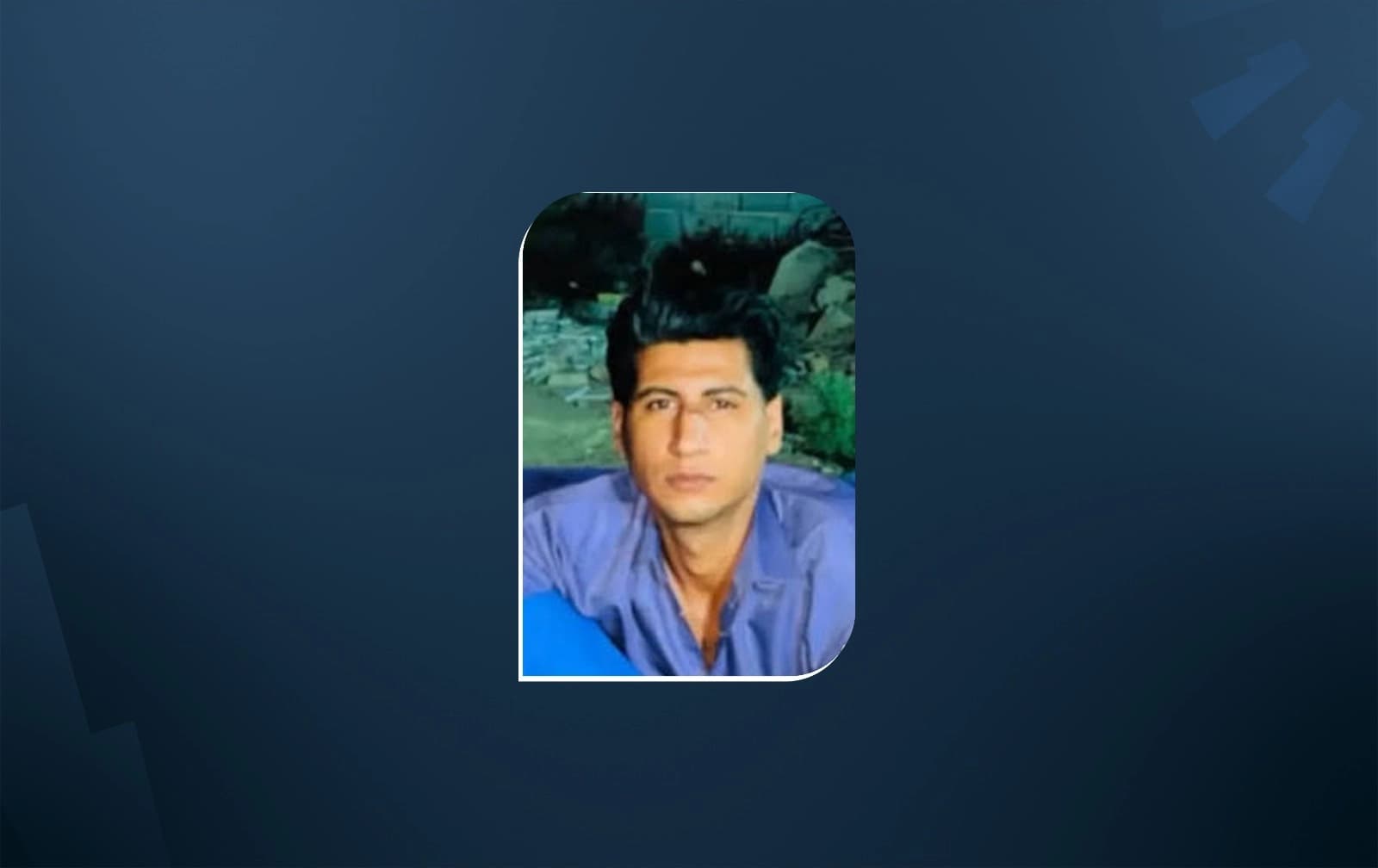

ERBIL, Kurdistan Region - A 25-year-old Baloch fuel carrier died on Tuesday after Iranian security forces opened fire on his vehicle in the country's southeastern Kerman province, causing it to overturn, a human rights group reported Wednesday.
Baloch rights monitor Haalvsh identified the man as Erfan Zabardast, from Kahnuj County, and said he was driving at around 5 pm local time when security forces opened fire without prior warning, striking one of the vehicle's tires. The vehicle veered off the road and overturned, the group said.
Zabardast's body was being held at a morgue, where authorities were investigating whether he had sustained any gunshot wounds, according to the monitor.
The reported death comes amid growing concerns over the use of lethal force against Baloch fuel carriers, known as sukhtbars, and Kurdish border porters, known as Kolbars. In September, UN human rights experts called on Iranian authorities to end such shootings and investigate deaths involving security forces. They said at least 13 Baloch fuel carriers have reportedly been killed between January and August 2026 in incidents involving shootings, pursuits and other actions by Iranian military and security forces.
A relative told Haalvsh that Zabardast had been orphaned at the age of five and was the sole provider for his mother and siblings. He had also recently become engaged.
“Through immense hardship and struggle, he had managed to prepare a home and the necessary household items for his upcoming wedding,” the relative said.
Baloch communities, predominantly Sunni Muslim, are concentrated in Sistan and Baluchestan province and neighboring areas, including Kerman. Many residents of these economically deprived regions resort to transporting fuel, including across the borders with Pakistan and Afghanistan, to support their families.
Fuel carriers face significant risks, including road accidents and shootings by Iranian security forces.
Mai Sato, the UN special rapporteur on the situation of human rights in Iran, warned in October that economic marginalization, land confiscation and environmental degradation “have further deepened poverty in many minority regions.”
“Many Baluch are denied a shenasnameh (identity booklet), limiting access to education,” Sato said in a post on X, noting that “discrimination extends from restrictions on language rights to ethnic stereotyping in state media.”
In Iran's Kurdish-majority western regions (Rojhelat), Kolbars carry untaxed goods, including coffee, fabric, tea and auto parts, on foot across the mountainous borders with Turkey and the Kurdistan Region, earning meager wages despite significant risks.
Since the beginning of 2026, Iranian forces had fired on at least 21 kolbars, killing 13 and injuring the others, according to figures from human rights monitor Hengaw in September.
Most recently, Iranian border guards reportedly shot and killed 28-year-old Mohammad Sediq Avali at close range without prior warning in the Sheikh Saleh border area of Kermanshah province on September 23.
Avali was married and the father of two children, said Hengaw.